
The Nature of Risk in Gambling
Risk is an inherent aspect of gambling, especially within the vibrant atmosphere of casinos where players willingly engage in games with uncertain outcomes. This uncertainty can evoke a sense of exhilaration, as individuals experience a rush when placing bets, driven by the allure of substantial rewards. Understanding risk in gambling transcends mere financial stakes; it encompasses emotional and psychological elements that shape the gambling experience, much like what one might find at royalreelscasino-18.sbs , where the thrill associated with risk is a fundamental part of human behavior, igniting curiosity and a desire to push boundaries.
The psychology of risk is closely linked to concepts such as loss aversion and reward sensitivity. Research indicates that individuals are often more motivated to avoid losses than to achieve gains, profoundly influencing their gambling decisions. For instance, a player might feel a stronger emotional response to losing a bet compared to the satisfaction derived from winning an equivalent amount. This dynamic can lead to irrational behaviors, such as chasing losses, where players continue to gamble in hopes of regaining what they’ve lost, ultimately reinforcing a cycle of risk that is hard to break.
Additionally, cognitive biases play a significant role in how individuals perceive risk within casino games. The illusion of control, for example, can lead players to mistakenly believe they can influence outcomes through skill or strategy, despite the fundamentally random nature of many casino games. This misconception can heighten their willingness to engage in risky behavior, as players overestimate their ability to manage uncertainties. Therefore, understanding the nature of risk in gambling requires a comprehensive exploration of the psychological, emotional, and cognitive factors that shape player behavior.
The Role of Emotion in Risk-Taking
Emotion serves as a powerful driver of behavior in gambling environments. Players frequently experience elevated levels of excitement, anticipation, and anxiety while participating in casino games. These emotions can significantly impact decision-making processes, often leading to impulsive actions fueled by the desire to maximize pleasure or minimize discomfort. For many, the thrill of gambling lies in the emotional highs and lows that accompany wins and losses, transforming each session into a rollercoaster of feelings that can be both intoxicating and perilous.
The casino environment itself is meticulously crafted to amplify emotional experiences. From the bright lights and loud sounds to the vibrant colors, every element is designed to create an exhilarating atmosphere that enhances players’ emotional states. This sensory overload can diminish rational thinking, causing individuals to engage in riskier behaviors than they might in more subdued settings. Emotional arousal may cloud judgment, leading players to overlook potential downsides while focusing solely on the immediate excitement of the game.

Moreover, the interplay between emotion and risk in gambling is evident in cases of gambling addiction, a condition characterized by an overwhelming urge to gamble despite adverse consequences. Emotional triggers such as stress, loneliness, or depression can lead individuals to seek solace in the highs of risk-taking, often exacerbating their emotional pain. Thus, the complex relationship between emotion and risk in gambling presents significant challenges for players and those who support them in recognizing and addressing the consequences of their actions.
Cognitive Biases and Decision Making
Cognitive biases significantly shape how individuals perceive risk in casino games, often resulting in distorted decision-making processes. One prevalent bias is the ‘gambler’s fallacy,’ where players erroneously believe that past outcomes influence future events. For example, a person might continue to play a slot machine, convinced that it is “due” for a payout after several unsuccessful attempts. This fallacy underscores how irrational beliefs can drive increased risk-taking behaviors, as players chase anticipated wins that may never materialize.
Another cognitive bias that affects gambling decisions is the ‘availability heuristic,’ which compels individuals to overestimate the likelihood of an event based on how easily they can recall similar experiences. If a player has heard stories of someone winning a significant jackpot, they might incorrectly assume their own chances of winning are similarly high. This bias can perpetuate gambling behavior as players chase the dream of a big win, often neglecting the actual odds and probabilities that govern casino games.
Additionally, confirmation bias can shape risk-related decisions, as players tend to focus on wins while conveniently disregarding losses. This selective attention reinforces their beliefs in their skill or luck, distorting their understanding of the risks involved. By highlighting the significance of cognitive biases in gambling, we gain valuable insight into the psychological factors that drive behavior and contribute to the complexities of risk in casino environments.
Sociocultural Influences on Gambling Behavior
The sociocultural context plays a vital role in shaping individuals’ attitudes toward risk in gambling. Societal norms, values, and beliefs about gambling can significantly impact how people perceive and engage with casino games. In certain cultures, gambling is seen as a form of entertainment, while in others, it carries a stigma that may deter participation. These varying perspectives influence how individuals approach risk-taking, as cultural backgrounds inform their decisions and behaviors within gambling settings.
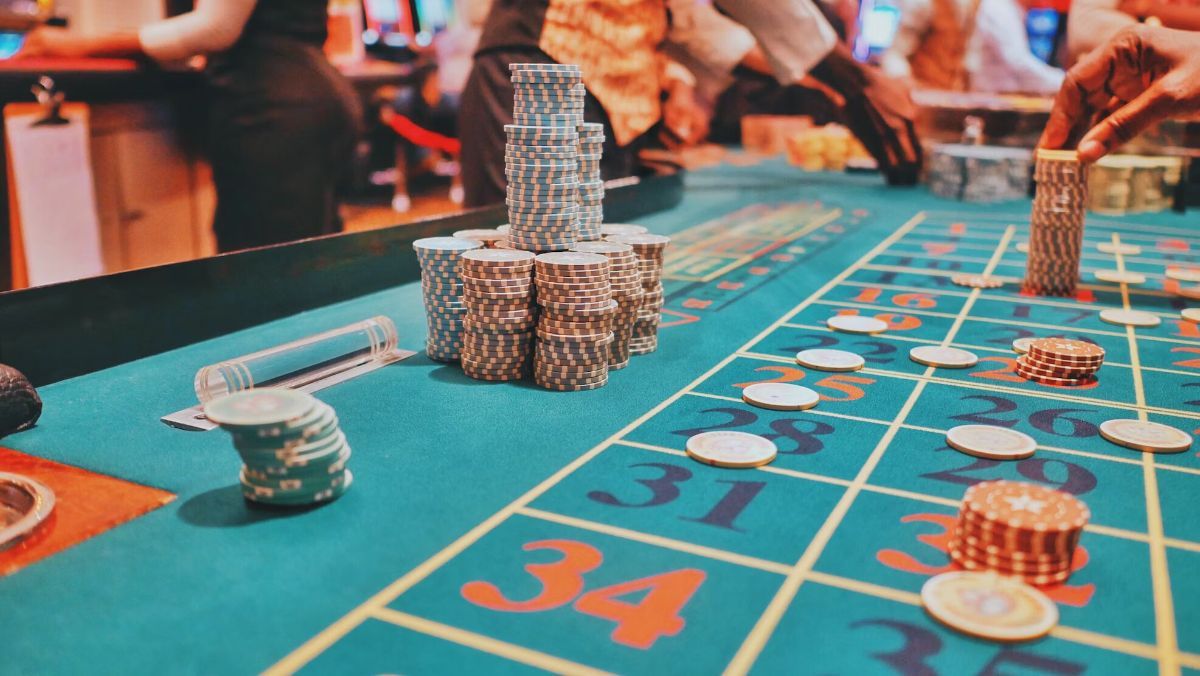
Social interactions and peer influences are also pivotal in the realm of casino games. Friends or family members who participate in gambling can normalize the behavior, encouraging individuals to take risks themselves. The social environment of a casino often fosters a sense of competitiveness, where players may feel pressured to gamble more aggressively in the presence of others. This dynamic amplifies the adrenaline rush associated with gaming, contributing to an atmosphere where risk-taking is not only accepted but often celebrated.
The rise of online gambling has introduced additional sociocultural dimensions to risk behavior. The accessibility of virtual casinos has blurred traditional boundaries, allowing individuals to engage in gambling activities at any time and from any location. This convenience can lead to increased risk-taking as players may underestimate potential consequences when gambling in familiar or private settings. Understanding these sociocultural factors provides valuable insights into the varying risk perceptions and behaviors among different groups involved in gambling activities.
Understanding Casino Psychology and Resources
Grasping the psychology of risk in casino games is essential for both players and industry professionals. For players, awareness of the psychological factors that influence their behavior can lead to more informed decision-making. Recognizing the emotional and cognitive influences that skew perceptions of risk empowers individuals to approach gambling with a healthier mindset, enhancing their overall experience while reducing the likelihood of negative outcomes.
For industry professionals, incorporating knowledge of gambling psychology can enhance responsible gaming practices. Casinos and gambling organizations can implement strategies that promote awareness and education regarding the risks associated with gambling. Providing resources and support for players struggling with risky behaviors is crucial in fostering a safer and more sustainable gambling environment, benefiting both individuals and the broader community.
In conclusion, the intersection of psychology and risk in gambling is a complex phenomenon shaped by emotional, cognitive, and sociocultural factors. By exploring these dimensions, individuals can better navigate the landscape of casino gaming, making choices aligned with their values and understanding the potential consequences of their actions. Resources available through various organizations can further support this journey, contributing to a more informed and responsible gambling community.