
The accounts payable management process focuses on ensuring that you pay your bills timely without choking cash flow. It further ensures you have sufficient liquidity to fund process optimization, investment opportunities, and product innovation to reduce your ongoing costs. Late vendor payments risk causing disruptions in the supply chain and cash flow. Some of the causes of late invoice payments include lack of automation, slow How to Start a Bookkeeping Business internal processes, lack of capacity to manage invoice volume, and administrative error.
- Trade payables are owed to vendors or suppliers that provide goods or services on credit terms.
- Other payables generally come with headings “trade payables and others” in the financial statement of large listed public companies.
- In financial modeling, AP is calculated using the cost of goods sold and payment days.
- The best practice to follow is to review the recorded cash disbursements subsequent to the corresponding balance sheet date.
- The company uses these resources to serve clients and bills them immediately, but doesn’t pay the cloud provider until 30 days later.
- The objective of this offering of additional shares is to clear a part of the company’s dues.
Trade Payables vs Accounts Payable
Suppose we’re tasked with calculating the historical accounts payable of a company and building a pro forma forecast. Suppose a business purchases $20k in inventory and agrees to pay the supplier on a later date, rather than the present date. But companies are incentivized to retain the cash on hand for as long as possible, and extend the payment process.

Trade Payables vs Accounts Payables
A listing of the accounts that a company has available for recording transactions is known as the chart of accounts. Prior to entering a vendor invoice into Accounts Payable, the invoice should be reviewed and approved. The reason is that a trade payables vendor invoice may contain errors (incorrect quantities, incorrect prices, math errors, etc.) and some invoices may not be legitimate. A discount of 1% for paying 20 days early equates to an annual interest rate of approximately 18%.
Accounting Concept
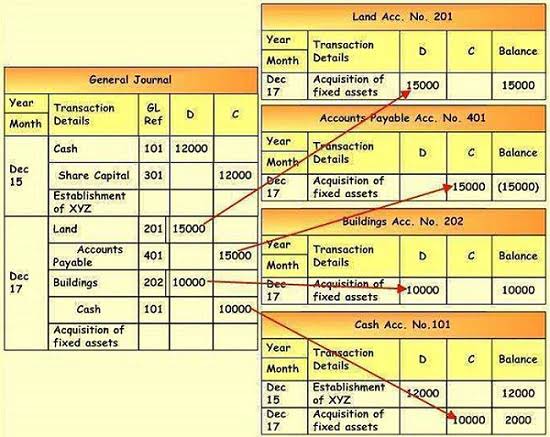
When paid on credit, the company enters the billed amounts as trade payables. In some cases, businesses lump trade payables in with their accounts payable. They may track trade payables separately somewhere else, but in terms of their financial reporting, they aren’t separate on financial statements. The ledger contains a page for each supplier and records details of all transaction with that supplier including purchase invoices, cash payments, and adjustments.
The balance sheet, or “statement of financial position”, is one of the core financial statements that offers a snapshot of a company’s assets, liabilities and shareholders equity at a specific point in time. If a company’s accounts payable balance grows, the company’s cash flow increases (and vice versa) — albeit, the obligation to pay in-full using cash is mandatory. Every accounts payable department has a process to follow before making a vendor payment — this is the accounts payable process. Concrete guidelines are essential because of the value and volume of transactions during any period.

Accrued Expenses vs. Accounts Payable : Key Differences
Therefore, the money owed to those vendors, or trade creditors, is under the wider umbrella of accounts payable. Trade payables are more than just liabilities; they are integral to a company’s financial ecosystem. By understanding their importance and implementing best practices, businesses can optimize cash flow, strengthen supplier relationships, and enhance overall financial health.

The AP department also handles end-of-month aging analysis reports that let management know how much the business currently owes. Small expenses such as miscellaneous postage, out-of-pocket office supplies or company meeting lunch are handled as petty cash. AP often handles a supply of sales tax exemption certificates issued to managers to ensure qualifying business purchases don’t include sales tax expenses. When a company purchases goods and services from a supplier or creditor on credit that needs to be paid back quickly.
This entry records the estimated expense and creates a liability (accrued expense) for the amount the company expects to pay. Other payables are the best examples of indirect expenses, such as Repairs and maintenance, Security expenses, Telephone unearned revenue charges, electricity expenses, broadband charges, and periodicals. Accurate recording helps prevent missed payments, duplicate entries, and confusion during audits or vendor inquiries.